
Still Losing Ground on Vision Loss — Even After Trying Everything They Recommended?
If your sight keeps changing despite lenses, vitamins, and appointments, you're likely in the stage most people don't understand until injections enter the conversation.
This presentation explains what a physician with nearly four decades in clinical medicine discovered — and why most eye appointments never address it.
Dr. Mehmet Oz
Nearly four decades in clinical medicine
Explains macular degeneration progression, why standard nutritional support often leaves patients still searching, and what most people overlook before the injection conversation becomes urgent.
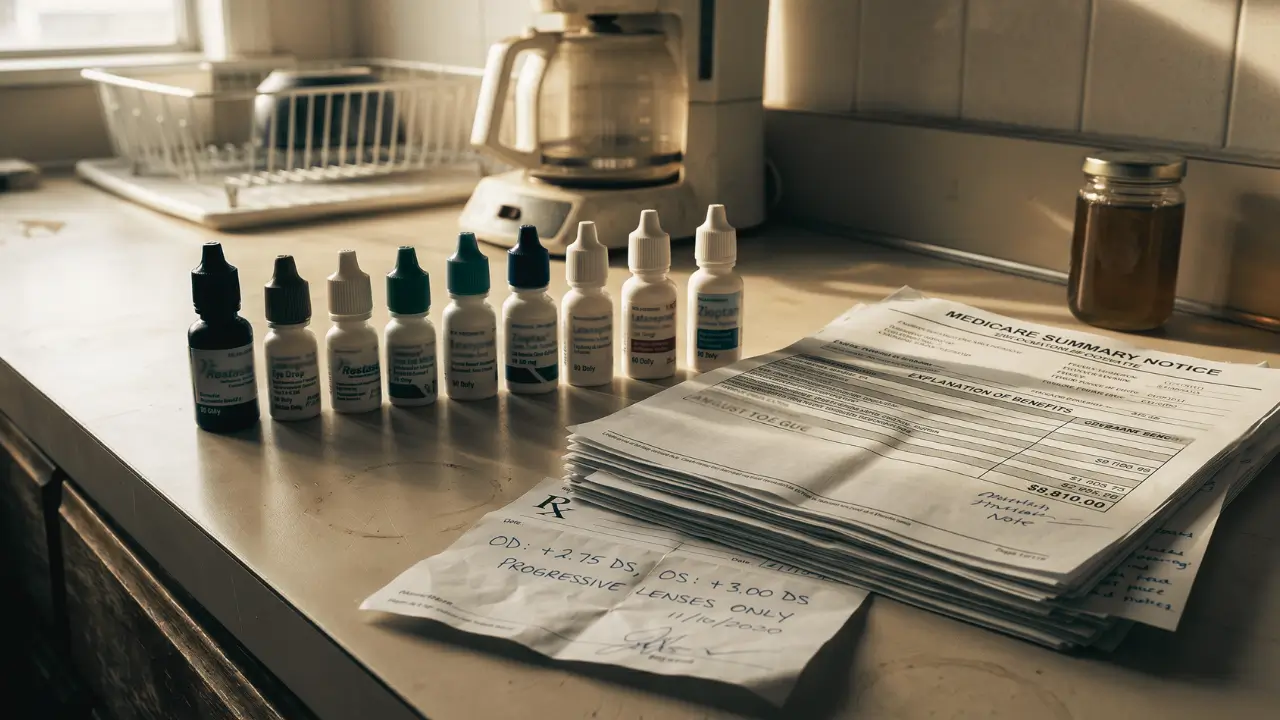
If any of this sounds familiar:
- Your lenses keep getting stronger, but reading still feels like a struggle
- You notice more glare at night than you did a year ago
- Dark patches, floaters, or soft spots have appeared in your central vision
- You've tried eye vitamins — including AREDS2 — and still feel like things are slipping
- Appointments feel like monitoring sessions, not conversations about what's actually happening
- You've started quietly wondering if injections are next
These are the exact patterns people describe when they search for vision loss, macular degeneration, and nutritional support options.
Why this topic is so confusing online
Most pages either oversimplify ("just eat leafy greens") or overwhelm you with clinical language that assumes you already have a medical degree. People end up in the same loop: new symptoms, new searches, no clearer picture.
What people expect from standard eye vitamins
Many assume antioxidant supplementation automatically means stability. Dr. Oz explains why that expectation often doesn't match what patients actually experience — and what the research suggests is being overlooked.
What triggers the search for something different
It's rarely one dramatic moment. It's a slow build — glare, blur, contrast loss, dark spots — until the standard answers stop feeling sufficient. The presentation focuses on that in-between stage: when symptoms feel manageable, but the nutritional questions don't go away.
What Dr. Oz says most people miss
By the time patients start asking serious questions about their vision, the pattern that matters most has often been quietly developing for years — while people assumed it was just aging, screens, or poor lighting.
In the presentation, Dr. Oz discusses a nutritional finding and the research behind it. This page does not summarize it in one line because the reasoning and context matter more than a headline.
What he found connects modern nutritional science to a botanical tradition now being revisited by researchers studying long-term retinal health.
Why common approaches still leave people searching
Most AMD management focuses on monitoring documented damage and addressing later-stage outcomes. That matters. But it can leave patients frustrated when the deeper nutritional conversation never happens.
The most common gap: confusing antioxidant support with understanding what current nutritional research is exploring about long-term retinal support — and why timing changes the entire conversation.
What people say when it finally makes sense
"I kept telling my doctor I felt like things were still slipping, even with the vitamins. Nobody explained what was actually happening at a nutritional level. This presentation was the first time it made sense."
"I wasn't ready to hear about injections. I wanted to understand what was happening before it got to that point. Dr. Oz explained it in a way no appointment ever did."

Before the conversation feels forced
The fear usually isn't the blur itself. It's the uncertainty: Is this getting worse? Is there something I'm missing? Am I running out of time?
Dr. Oz's presentation is designed to give you clarity — and a framework — before that conversation becomes urgent.
FAQ
Why is my vision still changing even though I'm taking eye vitamins?
Standard antioxidant support addresses one layer of eye health. Dr. Oz explains what research now suggests about a nutritional gap that most supplementation doesn't address — and why many patients still feel progression despite following the standard protocol.
What does Dr. Oz cover in the presentation?
He explains macular degeneration progression, what most patients overlook in the earlier stage, and a nutritional finding he encountered after nearly four decades in medicine. This page doesn't detail it further because the context and reasoning matter more than a summary.
Is this a replacement for my eye doctor?
No. This is educational content. Nothing in this presentation replaces the guidance of your ophthalmologist or retinologist. It's designed to inform — not to substitute for professional care.
Is this about grocery-store vitamins or AREDS2?
No. Dr. Oz discusses a specific nutritional approach that is distinct from standard supplementation. The details — and the research behind them — are explained inside the presentation.
When do injections enter the conversation, and how is this different?
Injection-based treatment is a specific clinical decision made with your physician. This presentation addresses an earlier stage — the nutritional conversation that most appointments skip entirely before things progress further.
What will I get from watching?
A structured explanation of why vision decline continues despite standard care, what researchers are now examining about long-term retinal nutrition, and what Dr. Oz found after years of working with patients seeking additional answers about their long-term eye health. He explains the progression patterns researchers are paying closer attention to and why the timing of nutritional support matters.